- Free shipping from 990 sek (within Sweden)
- Municipality and Company

.png?max-width=780&max-height=312&quality=85)
Build your own water filter
Water is a vital resource for the human body, but it is also a source of many potential dangers if it is not clean and safe to consume. Many parts of the world face the challenge of providing clean drinking water, and the lack of availability can lead to the spread of waterborne diseases. The water can contain various types of contaminants, including bacteria, viruses, chemicals and particles, which can have serious consequences for human health if not eliminated.
Hazardous substances in water and their effect on the body
Bacteria and viruses
Many diseases are spread through contaminated water, including bacteria such as E. coli and viruses such as hepatitis A. These organisms can cause gastrointestinal illness, vomiting, diarrhea and, in the worst case, lead to life-threatening conditions, especially in people with compromised immune systems.
Chemicals
Industrial discharges, agricultural spreading and sewage emissions are some sources of chemicals in water. Exposure to these substances can lead to serious health problems such as cancer, nervous system damage and hormonal imbalance.
Particles and sediments
Particles and sediments in the water can affect its taste and color, but they also pose a potential health risk. Large particles can cause physical damage to organs and tissues if consumed.
Being aware of these dangers and taking steps to ensure that your drinking water is clean and safe is essential to maintaining good health.
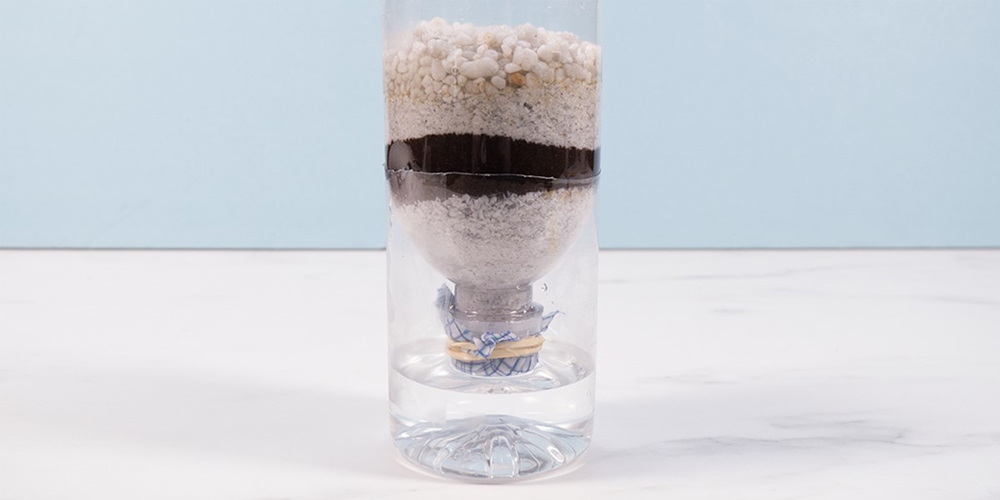
Build your own water filter
An affordable and practical solution for purifying water is to create your own water filter using simple materials such as a plastic bottle, gravel, sand, charcoal and a piece of cloth. The following steps will guide you through the process:
Materials you need:
An empty plastic bottle
Gravel (coarse and clean)
Sand (fine and clean)
Activated charcoal (can be obtained from charcoal or charcoal tablets)
A piece of fabric (blanket or gauze)
A pair of scissors
A drilling tool or something sharp to make holes in the plastic bottle
Water to filter
Step 1: Prepare the plastic bottle
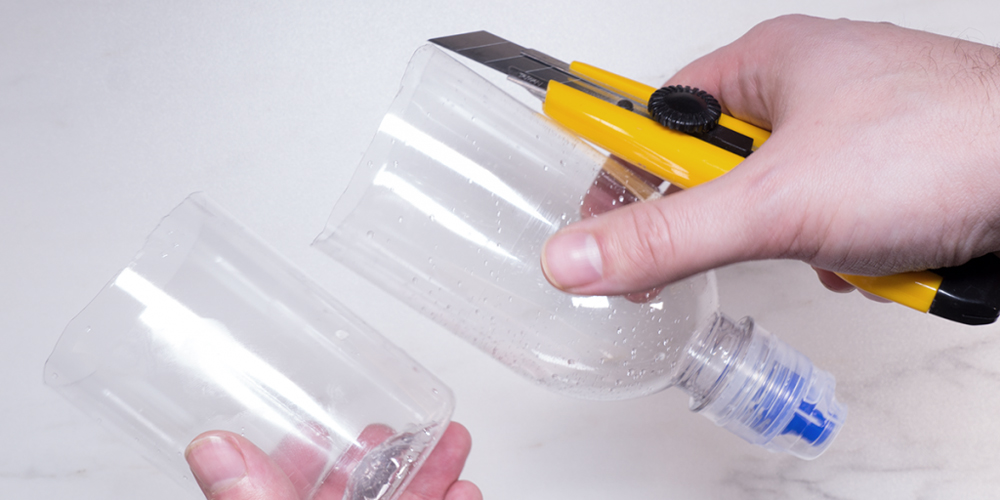
Start by removing the label and cleaning the plastic bottle properly. Then make two holes in the bottom of the bottle using the drilling tool or a pointed object. One hole is used to drain the filtered water, while the other hole is for filling water.
Step 2: Prepare charcoal
If you don't already have activated charcoal, you can make it by burning charcoal and crushing it into small pieces. Activated carbon is known for its ability to absorb pollutants and chemicals from the water.
Step 3: Fill the bottle with materials in the correct order
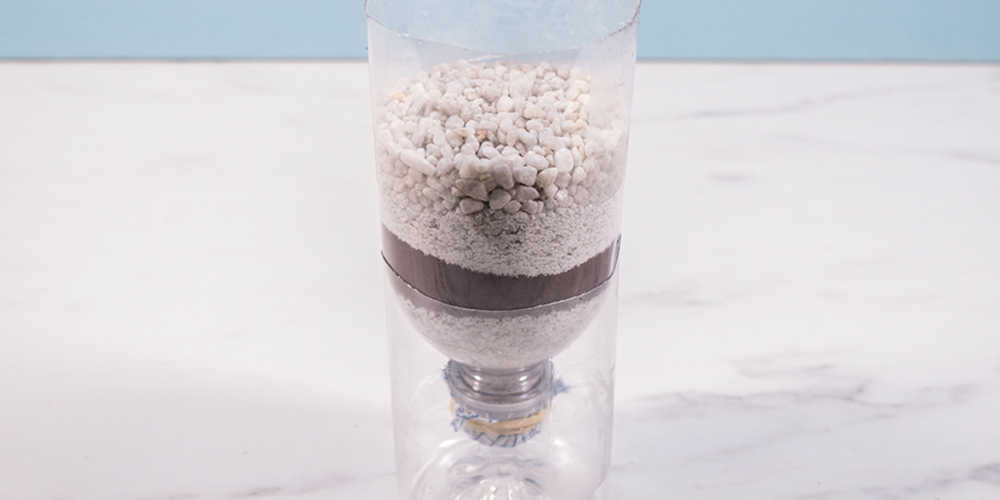
Now it's time to add the filter media to the bottle. Here is the optimal layer order:
1. Bottom layer (against the cork): A piece of fabric that holds everything in place
2. Activated charcoal
3. Sand
4. Gravel
Each layer should be evenly spaced to ensure effective filtration. Use a funnel or folded paper to easily fill each material without spillage.
Step 5: Test your water filter
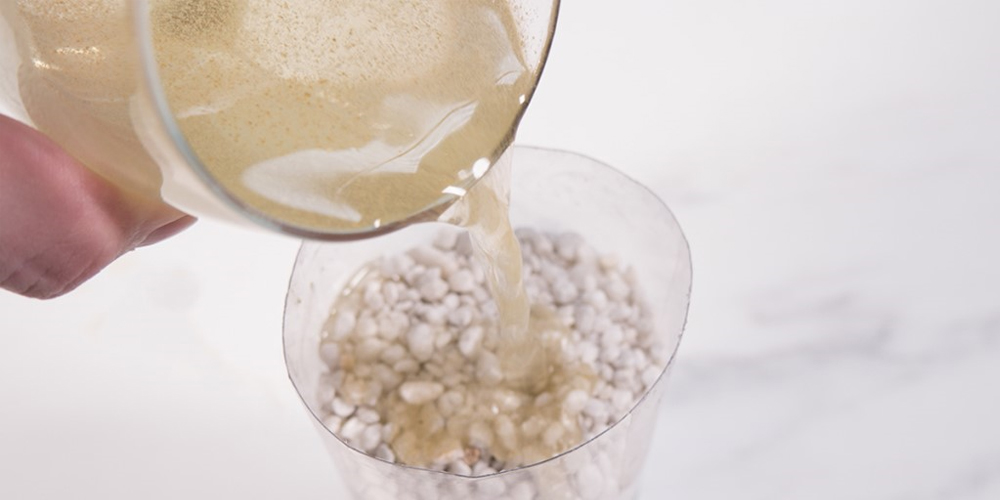
Fill water through the top hole in the bottle and let it flow through the layers. Place a container under the lower part to collect the filtered water. Notice improvements in water clarity and taste.
How does your water filter work?
Your homemade water filter uses several layers of different materials to purify the water through different mechanisms:
The gravel layer: This layer acts as a coarse pre-filter and removes larger particles and sediment from the water.
The sand layer: The sand acts as a finer filter and captures smaller particles and some bacteria.
Activated carbon layer: Carbon absorbs chemicals and pollutants from the water through adsorption, causing them to bind to the surface of the carbon.
The fabric layer: The final layer of fabric captures any remaining particles and ensures that the filtered water is as clean as possible.
Combining these layers creates an effective barrier that can remove many contaminants from the water and make it safe to drink.
Building your own water filter is not only an affordable solution, but it also provides practical insight into how water purification works. By understanding the dangers of polluted water and actively working to improve its quality, we can all contribute to creating a safer and healthier environment. Take the initiative, build your own water filter and let it be a reminder of the importance of clean drinking water for everyone.