- Free shipping from 990 sek (within Sweden)
- Municipality and Company

.png?max-width=780&max-height=312&quality=85)
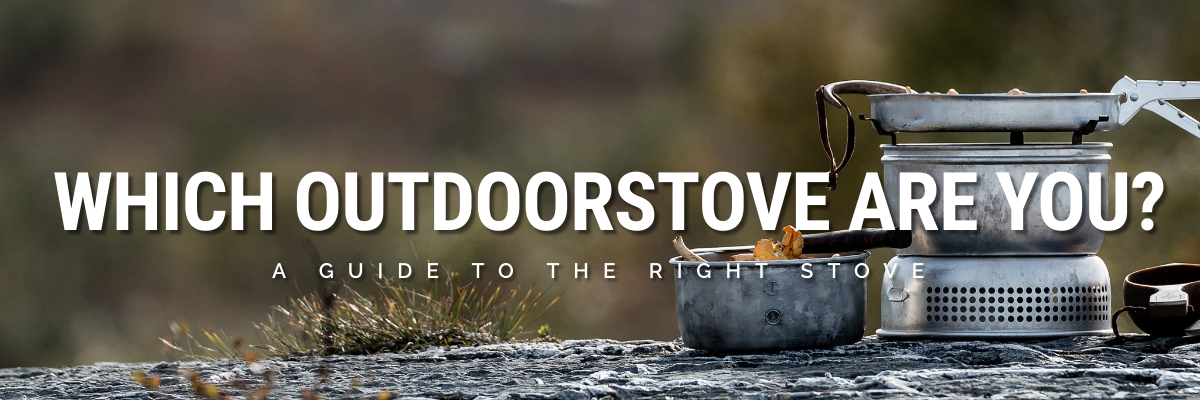
Which outdoor stove are you? Your guide to the right open-air kitchen
Cooking in the open, surrounded by nature's timeless calm, is something strongly associated with our origins and some of the more satisfying things we can do. We ourselves take every opportunity to enjoy nature in this way, with the crackling scents of the fire mixed with the food in a lovely mix, always with a five-star view.
Over the years in the bush and through the privilege of having been able to prepare thousands of meals in the field, we understand that the right equipment at the right time is crucial to the result. But choosing the right equipment can be difficult as the range today can be overwhelming.
We therefore want to share our experiences we have gathered and what we believe is the best storm kitchen, or the best way to cook in nature.
As with everything else, the need controls the choice of the kitchen. Short rides in low temperatures can let a cast iron casserole be the best choice just as longer, more physically demanding rides may require a lightweight gas stove. In order for the choice of outdoor kitchen to be easier, we need to go through several different influences.
The first thing we want to do is divide the kitchen equipment into three main categories, by fuel. Gas, liquid fuel and solid fuel. No fuel can generally be considered better or worse but fits better or worse depending on the situation you are in.
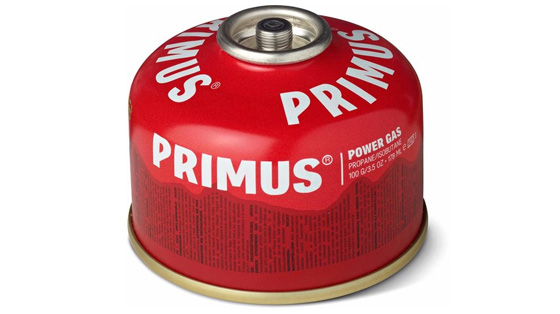
Gas, gas stove
Pros: Gas has a very high energy content for its weight. The contents of a gas cylinder can be compressed as much as 250 times its own volume in liquid form, which means that a LPG bottle contains a lot of energy. Under the right conditions, a small LPG bottle of just 230 grams can boil large amounts of water and heat many meals. A typical LPG mixture consists of propane, isobutane and butane.
Gas is also easy to use. Just screw on the bottle and light it. The heat is immediate, effective, as well as completely odourless and soot-free.
Cons: The gas works worse in severe cold but there are special LPG tubes from Primus, among others, that still provide high efficiency even at lower temperatures. Primus itself indicates that the gas is effective down to -22 degrees.
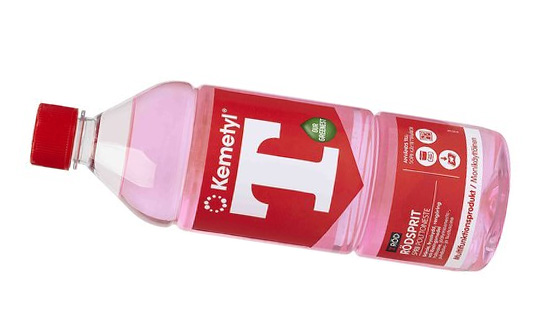
Liquid Fuel, Liquor Kitchen
Pros: Clear benefits are price and availability. Liquid fuel can be obtained in various forms everywhere at a low price. Accessibility can be an advantage for those travelling around the world, where gas in the right format may not always be available. You also can't bring LPG on flights. Typical fuels used are Tenol,T-Red
Disadvantages: The main drawback is clearly the lower power against gas, but liquid fuel can also pose a greater risk. If you overturn a ignited kitchen, the fuel risks running out and catching fire. Even a small amount of gasoline can quickly cause a massive fire.
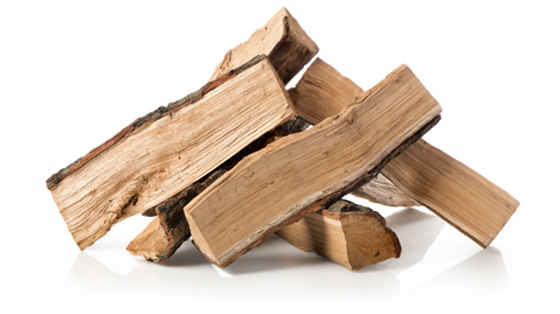
Solid fuel, Hobostove,pots and pans
Advantages: The absolute main advantage is that solid fuel is always available. Whether you are in an urban environment or in the forest, there are always twigs, cones or anat combustible material to use. It is also possible to use fuel tablets, which are basically solid liquid fuel that neither soots nor smells.
Cons: You need to collect the fuel. If you rely on what is in the forest and land, you are also dependent on the weather and wind, the wood you have available can be wet and difficult to light. And although a fire has a large cozy factor, smoke, soot and smell are not always welcome.
What do I need to consider when choosing a storm kitchen?
Other factors that have an impact on the choice of kitchen equipment are how many people you will cook for and what type of food you will cook. On a physically demanding hike in the mountains, you may have the most freeze-dried food with you and then you only need a gas stove to heat water.
If you cook for a larger group during a shorter, less demanding tour, a camping kitchen can be the right choice, or as we prefer, over an open fire with pots and cast iron pans. A sun-drenched favourite for the group is a hefty cast iron stew where a goulash slowly gets to stand and simmer. The price is of course crucial for many people but really nothing that controls the type of kitchen you can choose. In all categories there are all price ranges and a cheap outdoor kitchen can play the same function as an expensive one.
What different outdoor stoves are there to choose from?
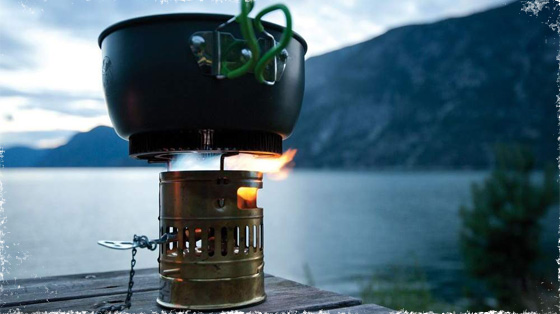
Stormstoves
Stormstove is a general name for a portable cooking equipment for food and drink and can be used with both gas and liquid fuel. Famous brands are Trangia, Primus and Optimus but there are many, many more options. What can generally be said about the storm kitchen, or outdoor kitchen as they are also commonly called, is that they should heat as quickly and efficiently as possible.
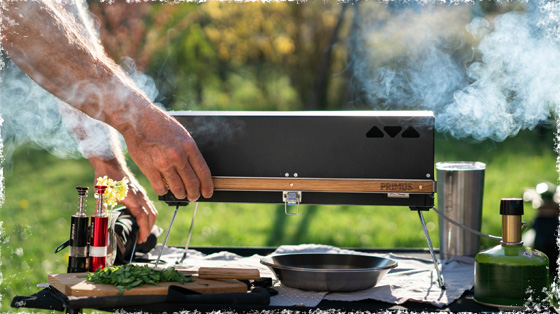
Campstoves
The camping kitchen is usually a gas-powered kitchen with at least one burner but usually two. Famous brands are Primus,Coleman and Camping gaz. Since the camping kitchen usually has both a higher weight and a larger pack size, it usually gets to keep up with the camping trip with the car or maybe on the rafting trip for the whole family down the local lake
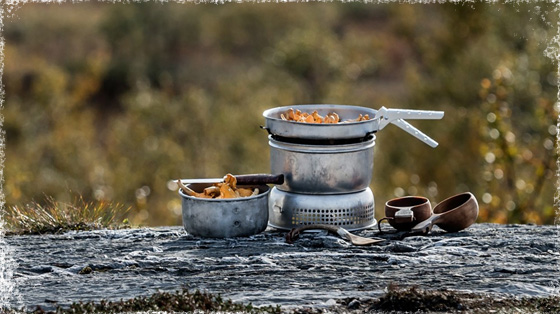
Spirit stoves
We strongly associate the name spirits stoveswith the Trangia brand, although several options are available today. And it should be added that the design we strongly associate with the name spirits stovesis today also available with gas burners. The spiritstove often has a fuel-efficient design where the body of the construction is both a carrier for other equipment and windshields. Equipped with a liquefied petroleum gas burner, this design is a very effective option.
A spirit stove is suitable for those who want a versatile solution. Slightly larger packing dimensions but a very effective construction, usually with slightly larger capacity for cooking to several people. The kitchens are available in all price ranges
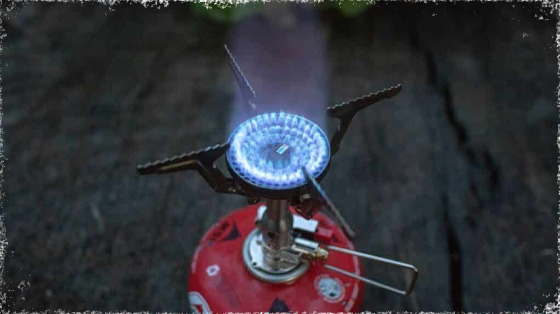
Gas stove
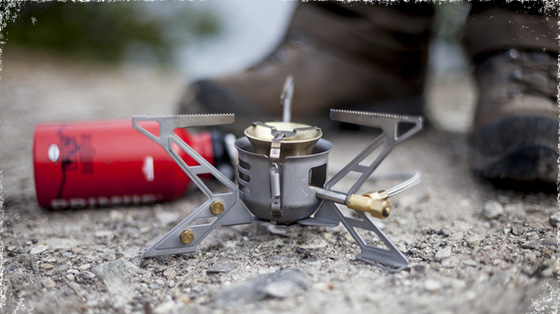
Gas stove is a collective name for kitchens powered by fuel LPG. A gas stove can be both a storm kitchen, open-air kitchen and a camping kitchen. But when you talk about gas stoves for nature, we associate it with a simpler gas burner that is attached directly to the LPG tube and here we ourselves first think of Primus and Optimus. The gas stoves can come in a ready-made kit with saucepans and pans, usually with small packing dimensions and light weight. But the gas stove can also come as a simple burner with extremely low weight and minimal packing dimensions.
A gas stove is generally suitable for those who want to pack light and are going on physically demanding tours and will probably mostly boil water. The kitchens are available in all price ranges
Hobostove
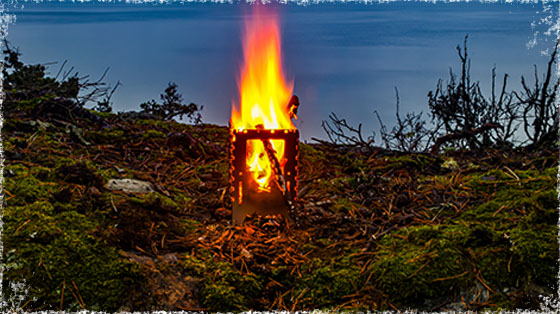
A hobostove is intended primarily for solid fuels and is extremely flexible in its use. A Hobostove is designed so that it becomes a self-draught that concentrates the heat to a smaller point and, on the other hand, the fuel is used more efficiently and creates less smoke formation. The fact that you also do not leave traces of a fire directly on the ground can also be positive, since these were often used in an urban environment from the beginning. The name Hobo Stove originally comes from the fact that homeless people (hobo ́s) made the kitchen out of a usedcan, where the construction was simply modified into a kitchen. The effect, albeit in a new design, is what is created in modern factory-made and collapsible kitchens. The bottom line is that you get a small kitchen, which is effectively powered by small sticks instead of LPG or t-spirits.
A hobostove is suitable for those who want to camp on nature's terms and who want minimal equipment to have to rely on. Perhaps the most famous brand is Bushcraft Essentials but also Winnerwell and Petromax make very good products in the segment.
Pots and pans
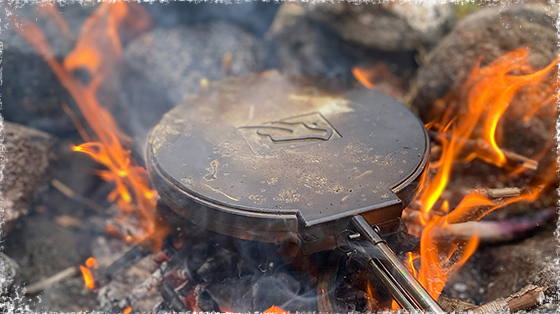
With pots and pans you can cook the food directly over an open fire. For shorter tours where fresh food can be brought, or where fresh food can be caught or hunted, this way is our personal favorite. Here we like to use cast iron pans and cast iron pots where the food can be slowly prepared and enjoyed when you are at your most hungry. So clear brands that facilitate cooking in this way are Petromax and Hällmark that make wonderful products for cooking over an open fire
We hope this guide facilitates the choice of kitchenware. Should you still be wondering anything, you are of course welcome for personal advice. Please contact us at info@generalprepper.com