- Free shipping from 990 sek (within Sweden)
- Municipality and Company

Heat
The body does not need to be exposed to cold for a long period to get cooled down which affects your movement and thinking ability. A good idea might be to have a plan for how you can warm yourself and your home in case of a prolonged power outage in wintertime.
Isolate
Layer on layer principle works just as well on the body as in a living area. Hanging up blankets, sheets and duvets in front of windows and demarcating larger rooms might be a good idea, to create pockets of insulation. Carpets and blankets on the floor also create a more pleasant climate. If possible, tape for doors and windows to reduce natural drafting.
Clothes
If it is not enough to insulate living areas, the winter clothes may provide insulation for the body. Layer upon layer provides efficient heat. Wear a hat and mittens since you lose a lot of heat, mainly from the head.
Alternative heat
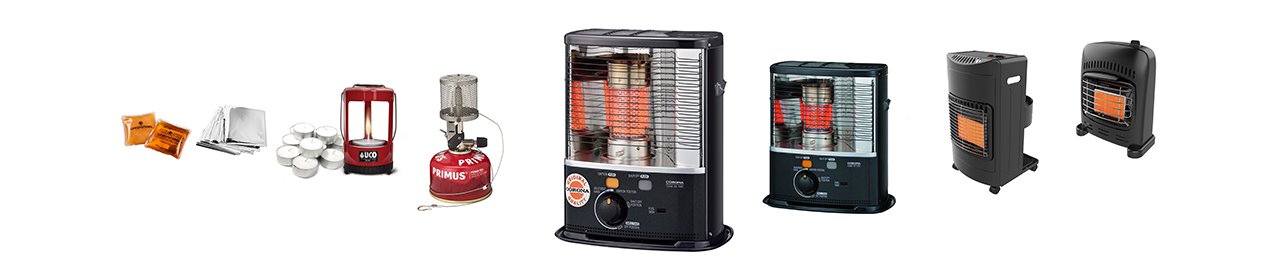
Of course, a gas stove and fireplace can be very helpful but that can be limited to the availability of wood or other combustible material. An outdoor kitchen, an oil lamp and candles in all forms also provide a lot of heat but remember to leave any ventilation open in case of living flame is used. The oxygen content can be affected in case of poor ventilation and in smaller spaces create a danger to life.
By drinking any warm liquid, you quickly warm up the body. An outdoor kitchen is therefore a good idea to have available that provides both warmth for the room and the food
Safety comes first
Keep in mind good ventilation when using living flames. Keep in mind the location of these heat sources. A bad situation quickly gets worse in case of fire. Put candles and tea lights in
pots and pans to limit the riskof fire. When using a storm or emergency kitchen, place the kitchen away from cabinets and extractor fans that may have grease deposits that are easily ignited..