- Free shipping from 990 sek (within Sweden)
- Municipality and Company


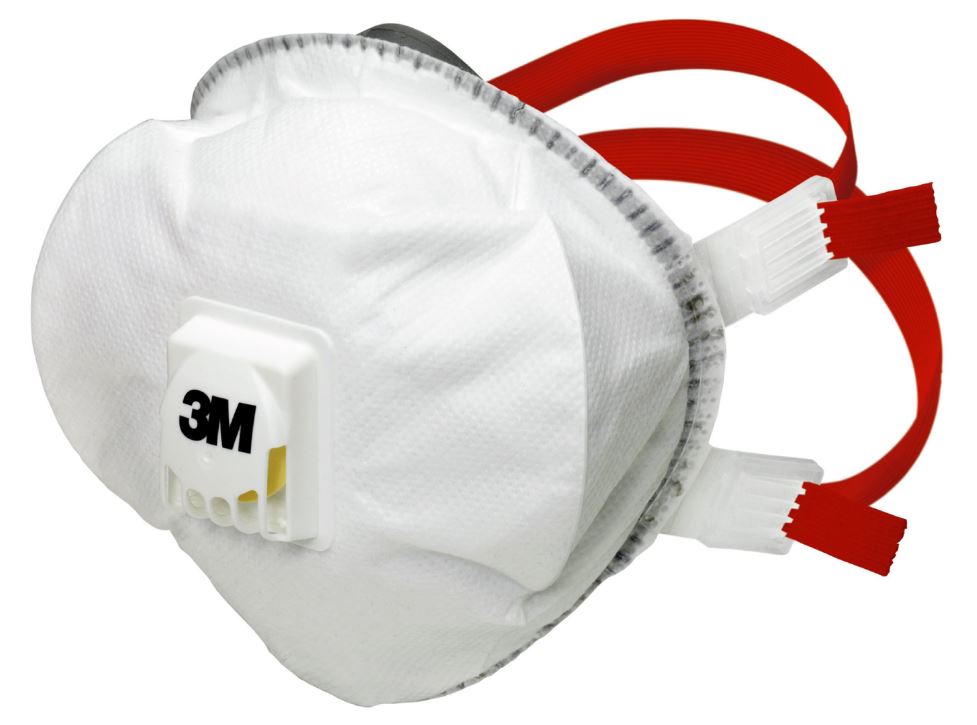
Respiratory protection against harmful particles and viruses
A respiratory protection can be a good thing to have in environments where you are at risk of being exposed to harmful particles in the air. For example, it can be dust from dirty environments, airborne viruses, smoke, fumes or gas from chemicals. Just using a protective mask in itself is not protection enough, you need a protective mask designed for the potential danger. Good to know is that there are different protection classes such as FFP1, FFP2 and FFP3. Read more about the different protection classes below. It is also needed to be borne in mind that the protection needs to close tightly, even stubble can seriously impair the protection ability of the respirator while a full beard removes the protective effect up to 90%
More about different protection classes
FFP1
- protection against atoxic and non-fibrogenic dust types
- inhalation can lead to health problems; may also irritate the respiratory system and cause unpleasant odours
- the total leakage may not exceed 25%
- this type of mask can be applied to no more than a quadruple breach of occupational exposure limits
Respiratory protection with protection class FFP1 are manufactured for work environments where neither toxic nor fibrogenic dust types and aerosols are expected. They filter at least 80 % of the particles measuring up to 0,6 μm and can be used as long as the maximum concentration at the workplace does not exceed more than fourfold value. The construction or food industry often inserts respiratory protection in the category FFP1.
FFP2
- protection against solid and liquid harmful dust types, smoke and aerosols
- particles can be fibrogenic, which means that they irritate the respiratory system in the short term and can impair the elasticity of lung tissue in the long term
- the total leakage may not exceed 11%
- Up to tenfold breach of occupational exposure limits
Respiratory protection in the FFP2 protection class are intended for working environments where harmful and mutagenic particles can be found in the inhaled air. Respiratory protection in this class must contain at least 94 % of the particles measuring up to 0,6 μm and may be used in environments exceeding occupational exposure limits up to a maximum of tenfold concentrations. The same applies to technical reference concentration. Respiratory protection in the FFP2 protection class is widely used in the metal and mining industries. People working in these industries are often in contact with aerosols, mist and smoke that lead to respiratory system problems, such as lung cancer in the long term. In addition, they increase the risks of secondary diseases and active tuberculosis of the lungs. Our uvex filter system with carbon layer also protects users from unpleasant odors.
FFP3
- protection against toxic and harmful types of dust, smoke and aerosols
- oncogenic and radioactive substances or pathogens, such as viruses, bacteria and fungal spores are filtered by respiratory protection in this protection class
- the total leakage shall not exceed 5 %
- Up to 30-fold breach of occupational exposure limits
Protection against toxic and harmful types of dust, smoke and aerosols or pathogens, such as viruses, bacteria and fungal spores, is filtered through respiratory protection in this protection class. Respiratory protection with protection class FFP3 provides maximum protection against contamination in the inhaled air. The total leakage shall not exceed 5 % and they must filter 99 % of all particles measuring up to 0,6 μm. This type of worm also filters out toxic, oncogenic and radioactive particles. Masks with protection class FFP3 are used in work environments that exceed the occupational exposure limits for industry-specific values thirtyfold. They are widely used in the chemical industry.
What is also good to know about respiratory protection is that some have interchangeable filter elements. These protective masks are made for repeated use. Filter masks should be considered as disposable protection and they should be handled physically, as little as possible during use as spores can be squeezed through the mask to the touch. A mask can also be considered part of a protection when liquid (as through when someone coughs or sneezes) can also end up in the eyes. Therefore, it may be a good thing to supplement your respiratory protection with tight-fitting goggles