Your Emergency Preparedness Starts at Home

We are used to electricity, water, heating, communications, payment systems and other essential services working when we need them. But during a major disruption, several of them may be affected at the same time.
An extended power outage can affect everything from heating and water supplies to shops, mobile networks and the ability to make payments. Extreme weather, supply chain disruptions, cyberattacks or a state of heightened preparedness can create other challenges.
Authorities therefore recommend that households should be able to meet their basic needs for at least one week without support from society.
It is not about preparing for every conceivable event. It is about having sufficient capacity to manage the initial period when everyday life is disrupted.
Good preparedness starts with a few basic needs:
✦ Water and food
✦ Warmth and the ability to cook
✦ Information and communication
✦ First aid, lighting and backup power
Start with your own circumstances
Good emergency preparedness looks different for different people.
Do you live in a flat or a house? How many people are in your household? Can you cook without electricity? How will you stay warm if the heating stops working? How much water do you have at home? Are there children, pets, medications, special dietary requirements or other needs to consider?
A simple way to start is to imagine that electricity, water and other essential services all stop working at the same time.
How would your household manage for the next seven days?
The answer makes it much easier to see what you already have – and what is actually missing.
Start where you are
Take stock
Review what you already have at home and where your equipment is stored.
Identify the gaps
Plan for at least one week and identify which basic needs you are not yet able to meet.
Fill the gaps
Prioritise the essentials first and build from there based on your actual circumstances.
Good preparedness does not need to be complicated or built in a single day. Start with what you already have and fill the most important gaps.
Build your emergency preparedness
You do not need to solve everything at once. Start with the basic needs and explore the areas where your preparedness needs to improve.
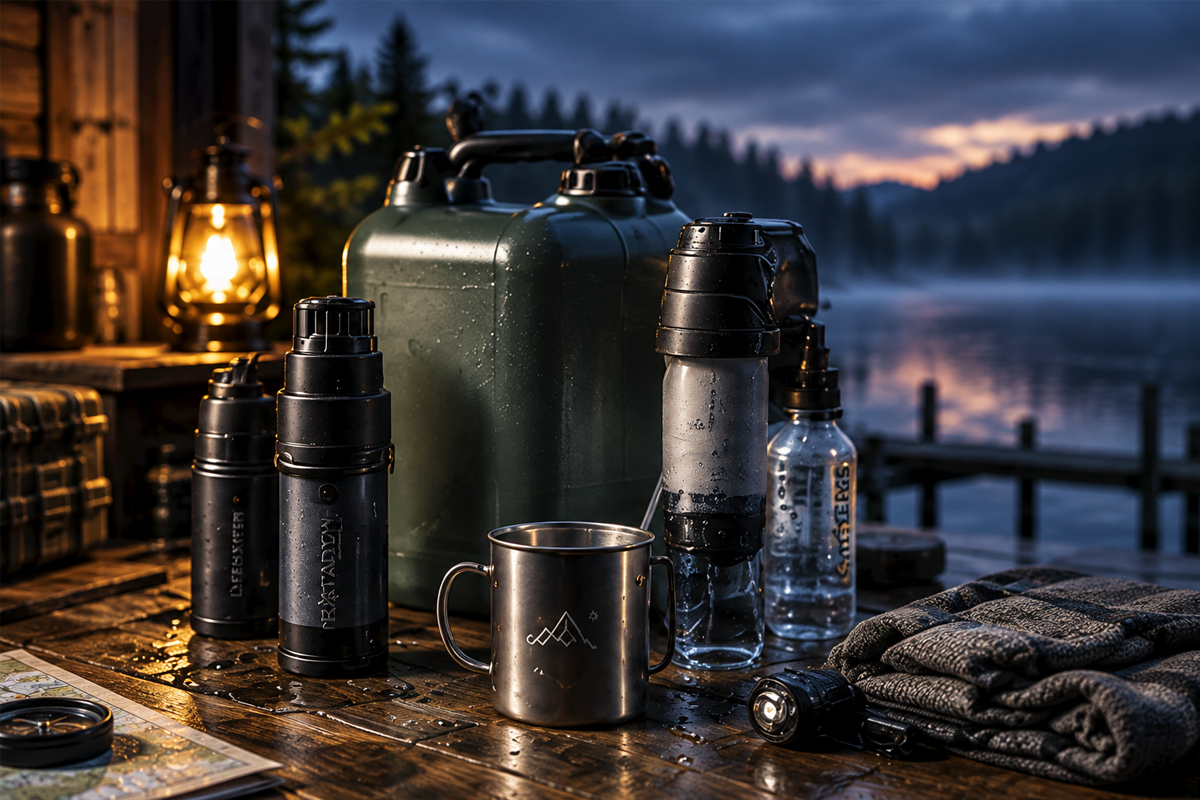
Secure access to drinking water
Water is one of our most basic needs. Plan to store water, collect more and, if necessary, purify water when the normal supply is unavailable.
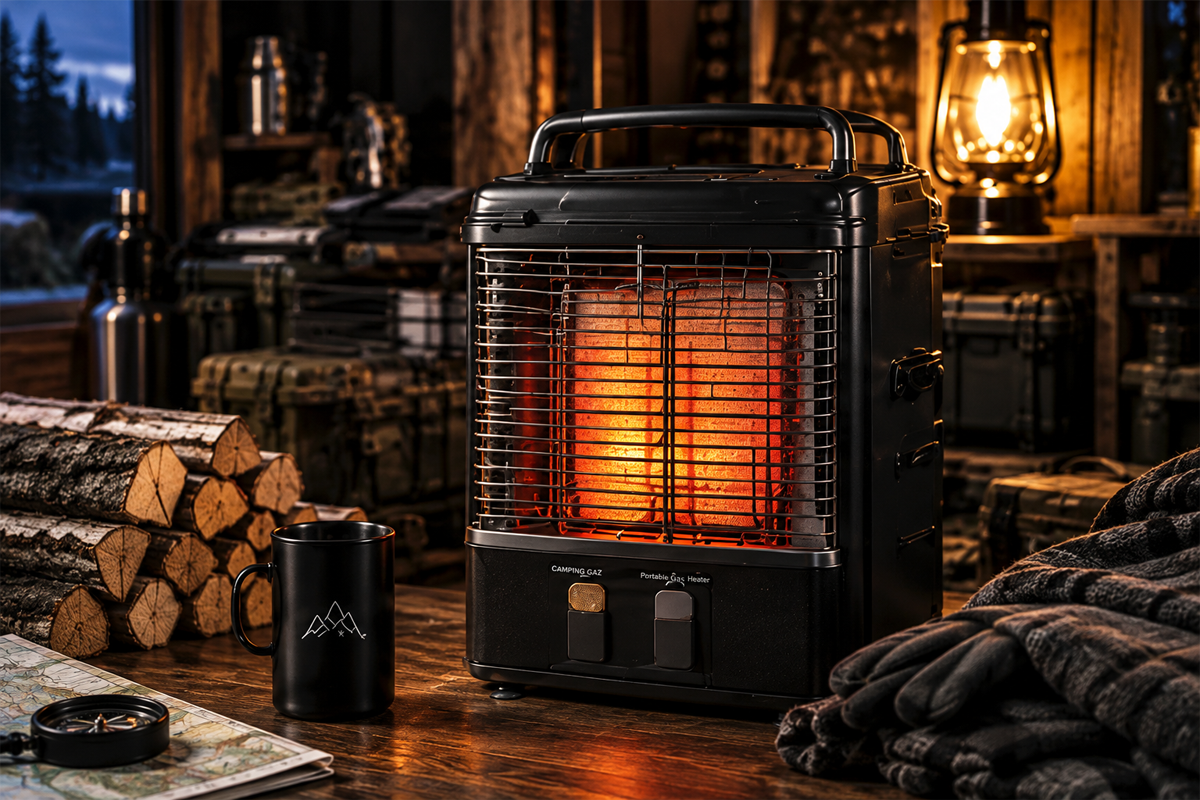
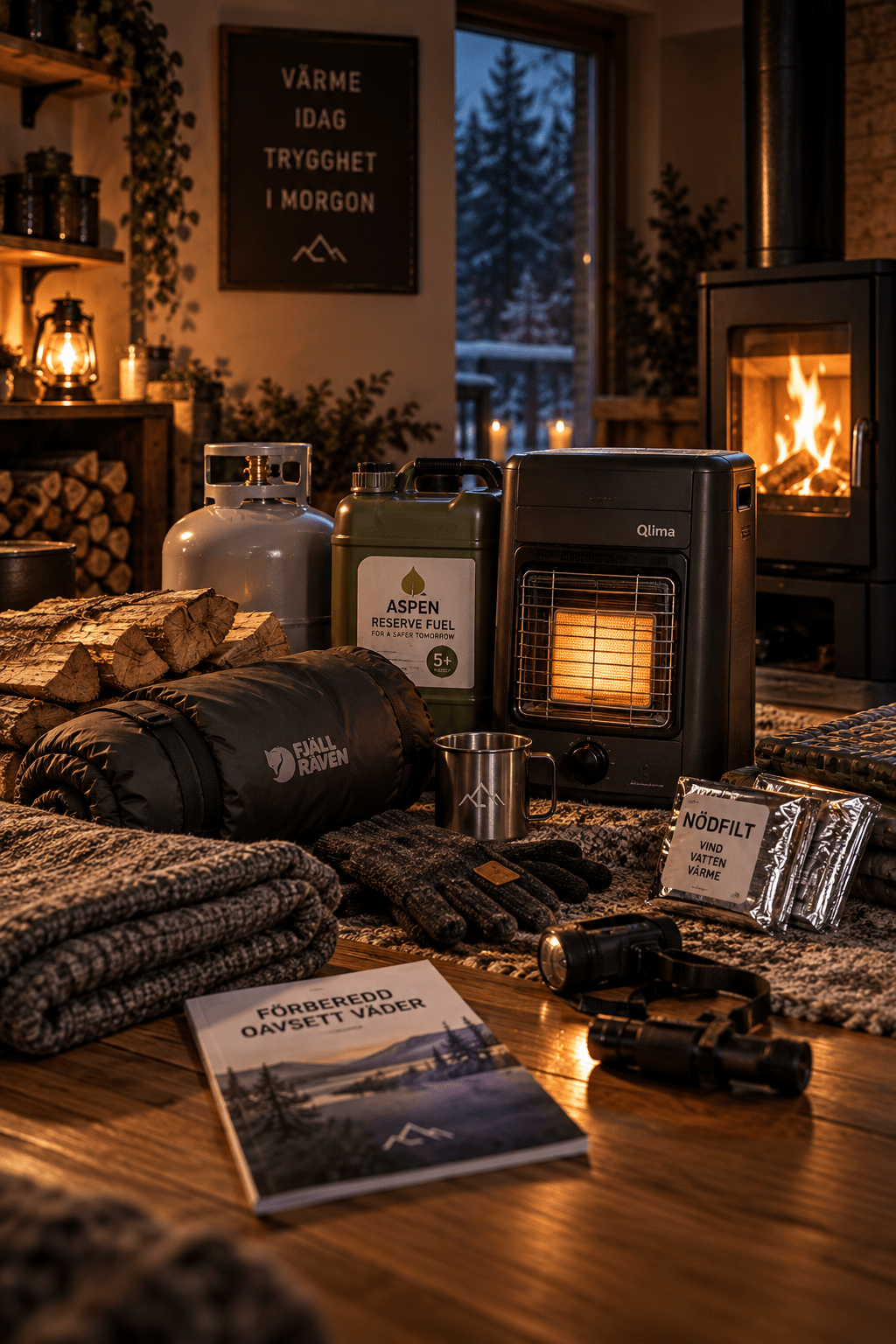
Stay warm when the heating stops working
Start by retaining body heat and reducing heat loss. If necessary, supplement with safe alternative heating, fuel or backup power.
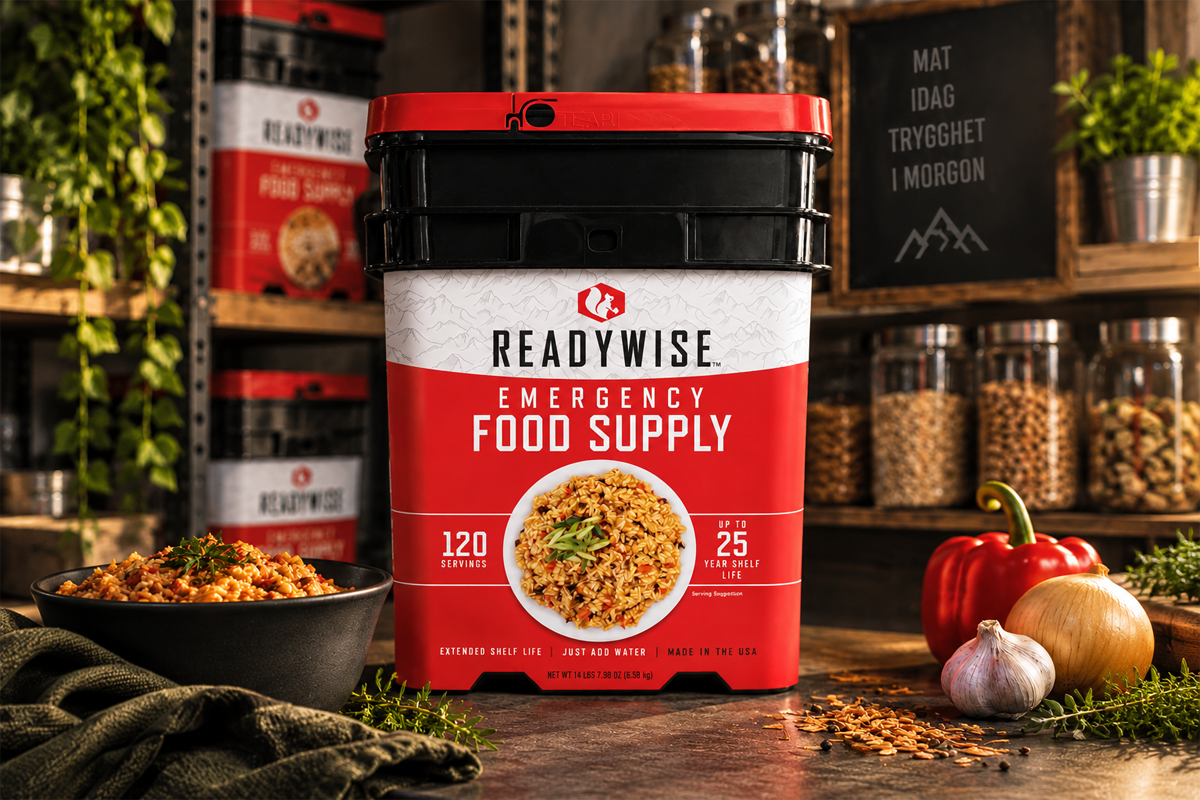
Food that works when everyday life does not
Build your food preparedness around food that provides enough energy and remains practical when access to electricity, water or deliveries is limited
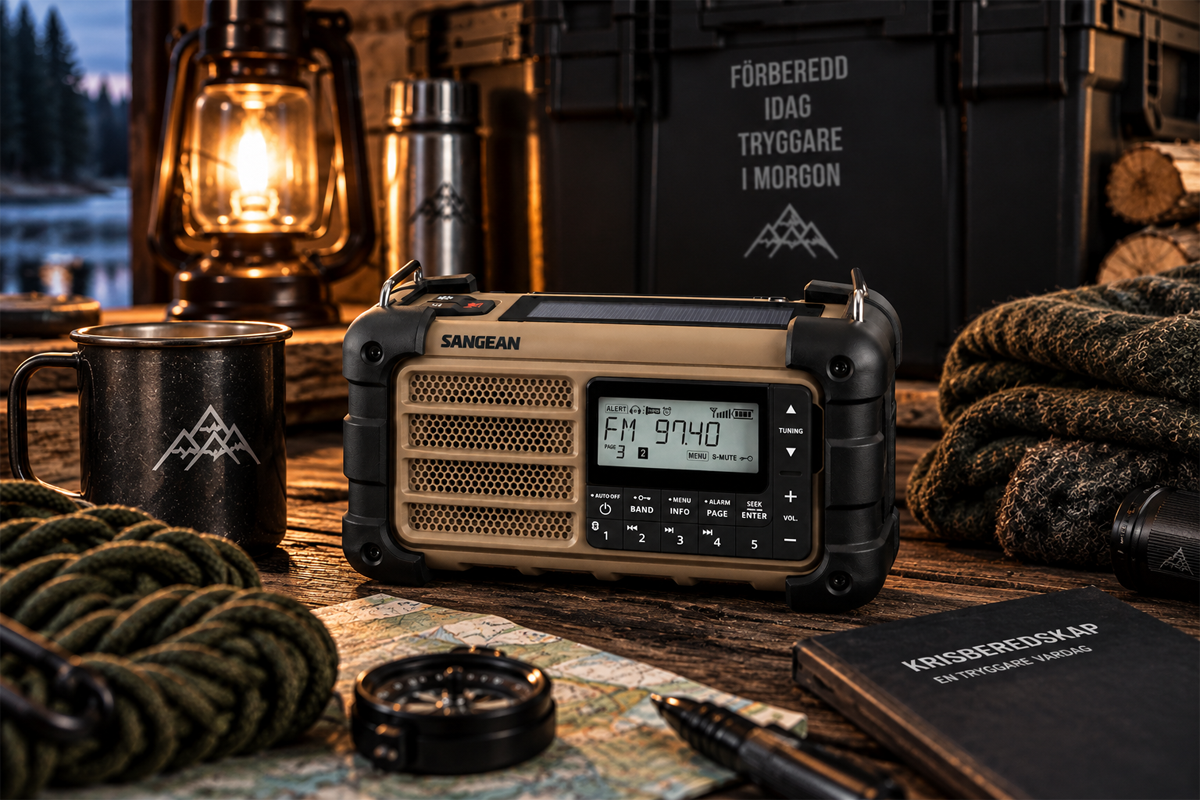
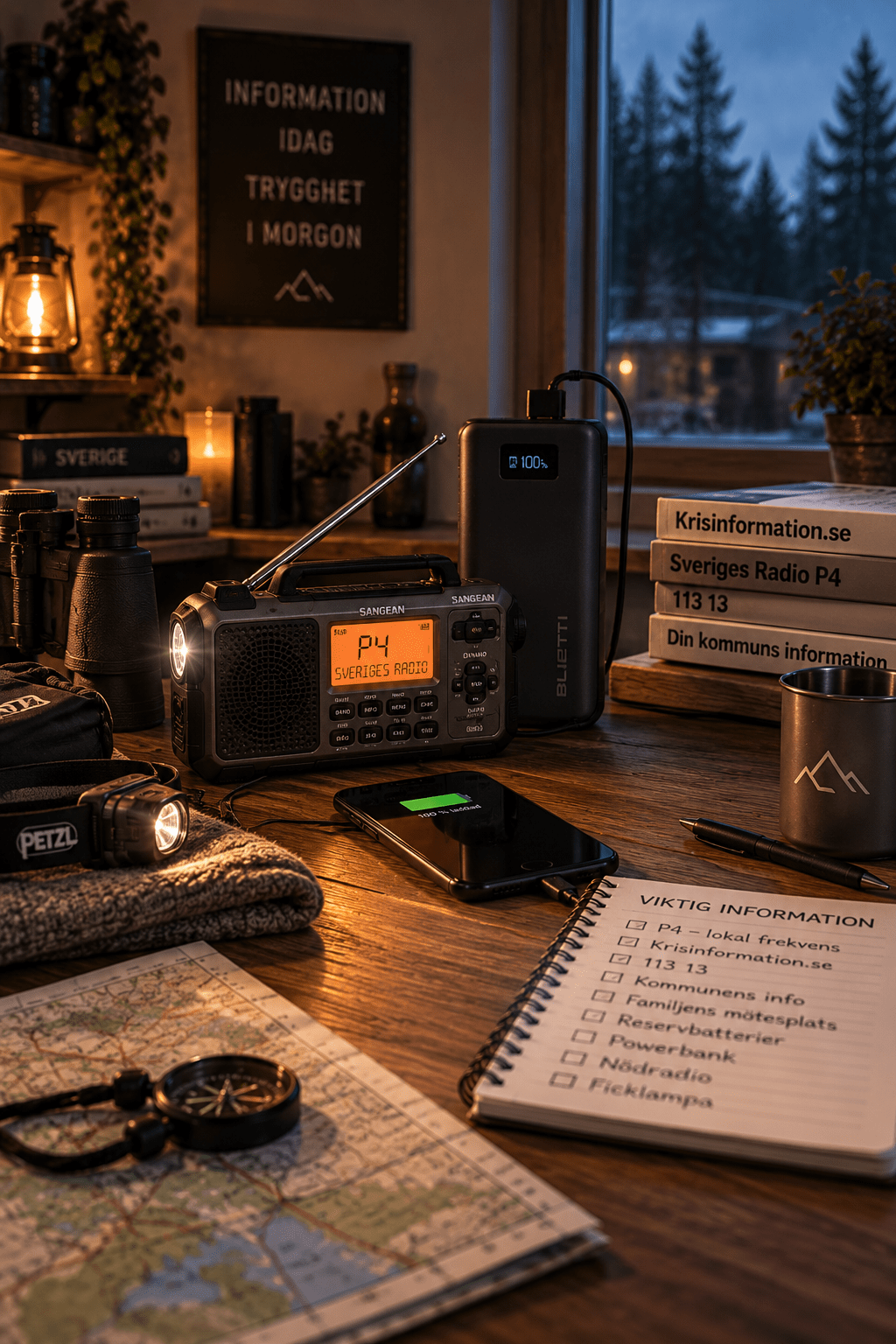
Information
When internet access, mobile networks or electricity are disrupted, you need alternative ways to receive important information, keep equipment running and communicate with others.
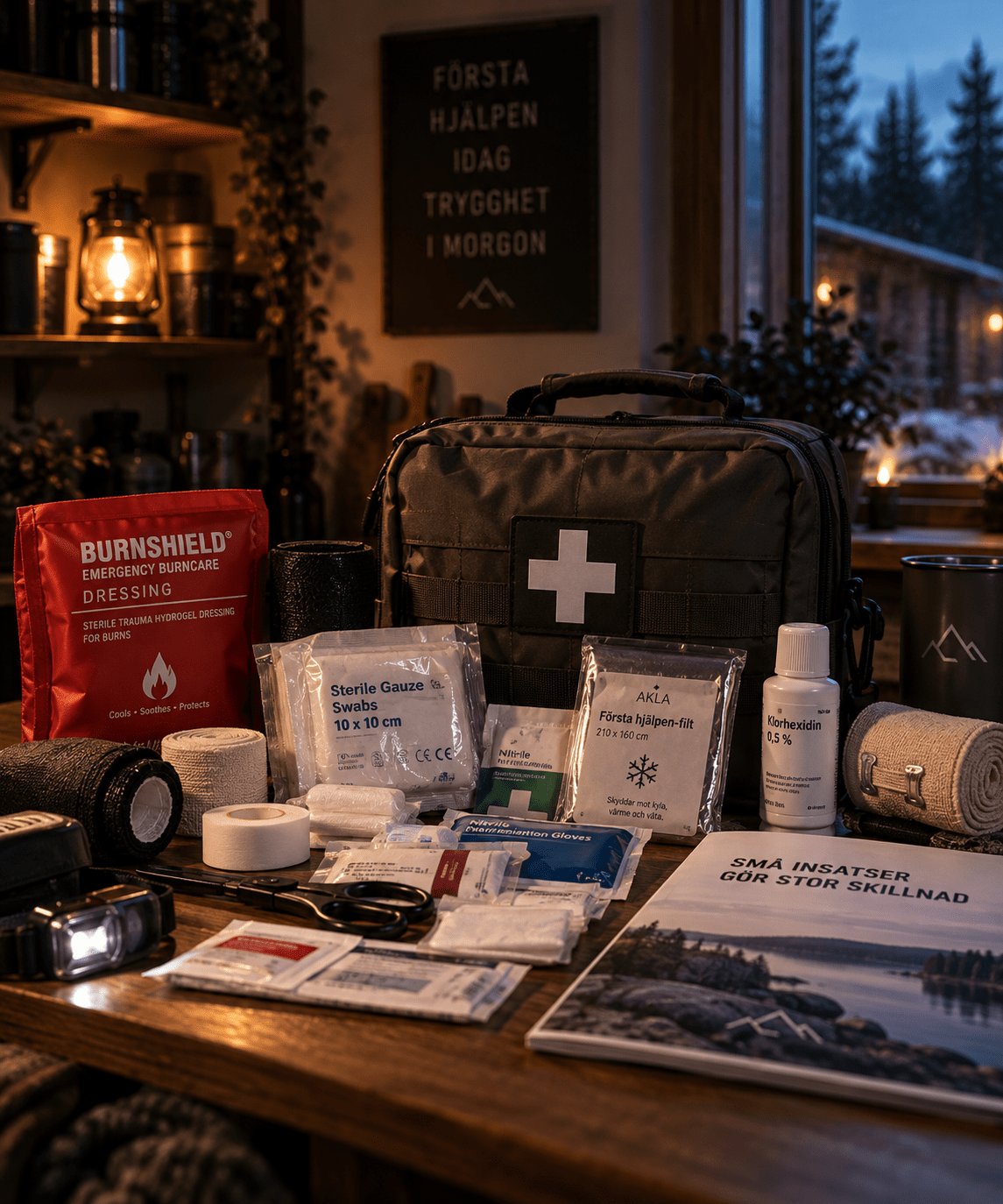
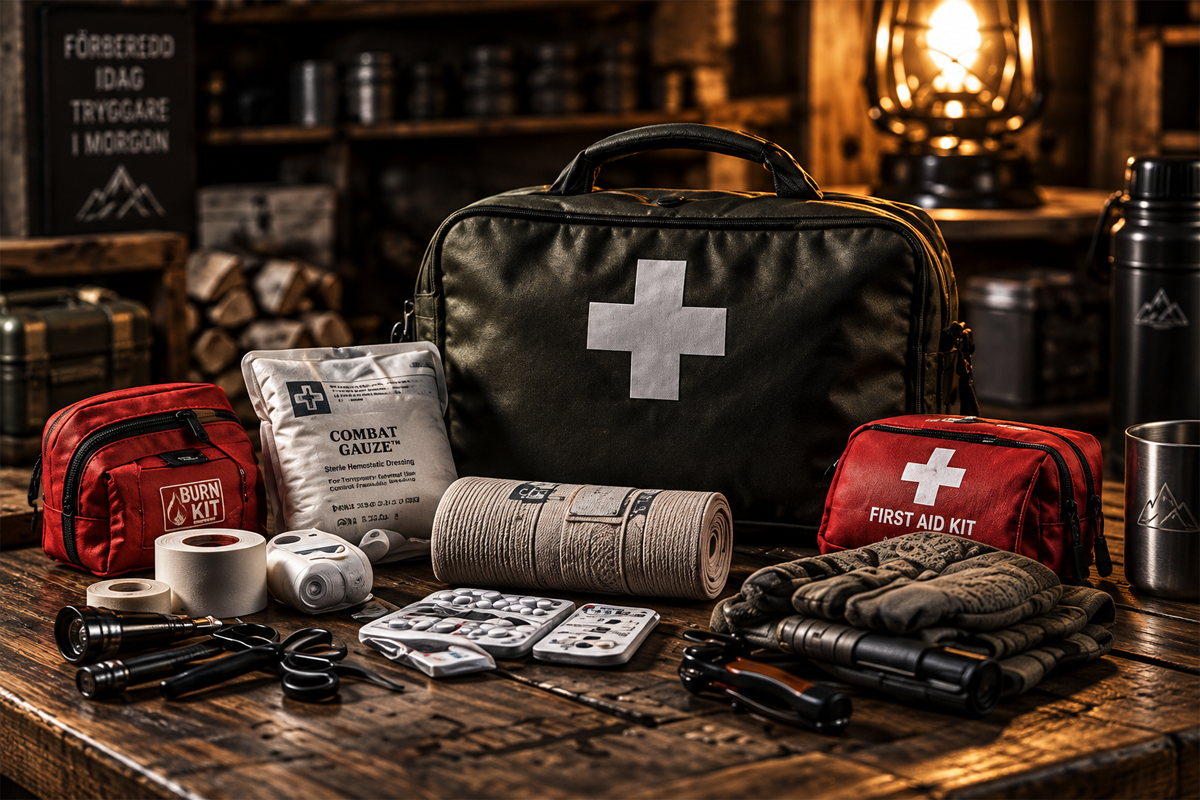
Be prepared when someone gets injured
The right equipment is important, but knowledge is just as essential. Make sure first aid equipment is readily available and that you know how to use it.
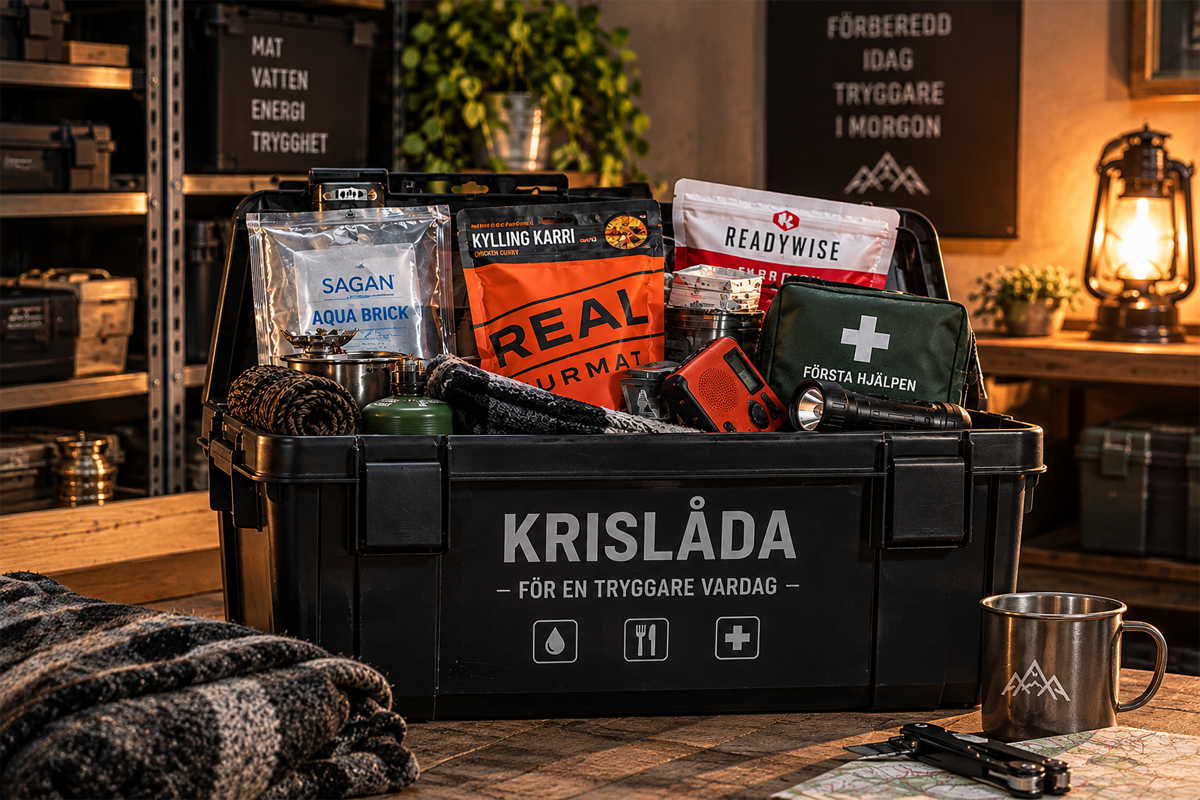
Keep the essentials organised
An emergency kit helps organise your preparedness. Keep together what is practical to store in one place and know what you have, where it is and how to use it.
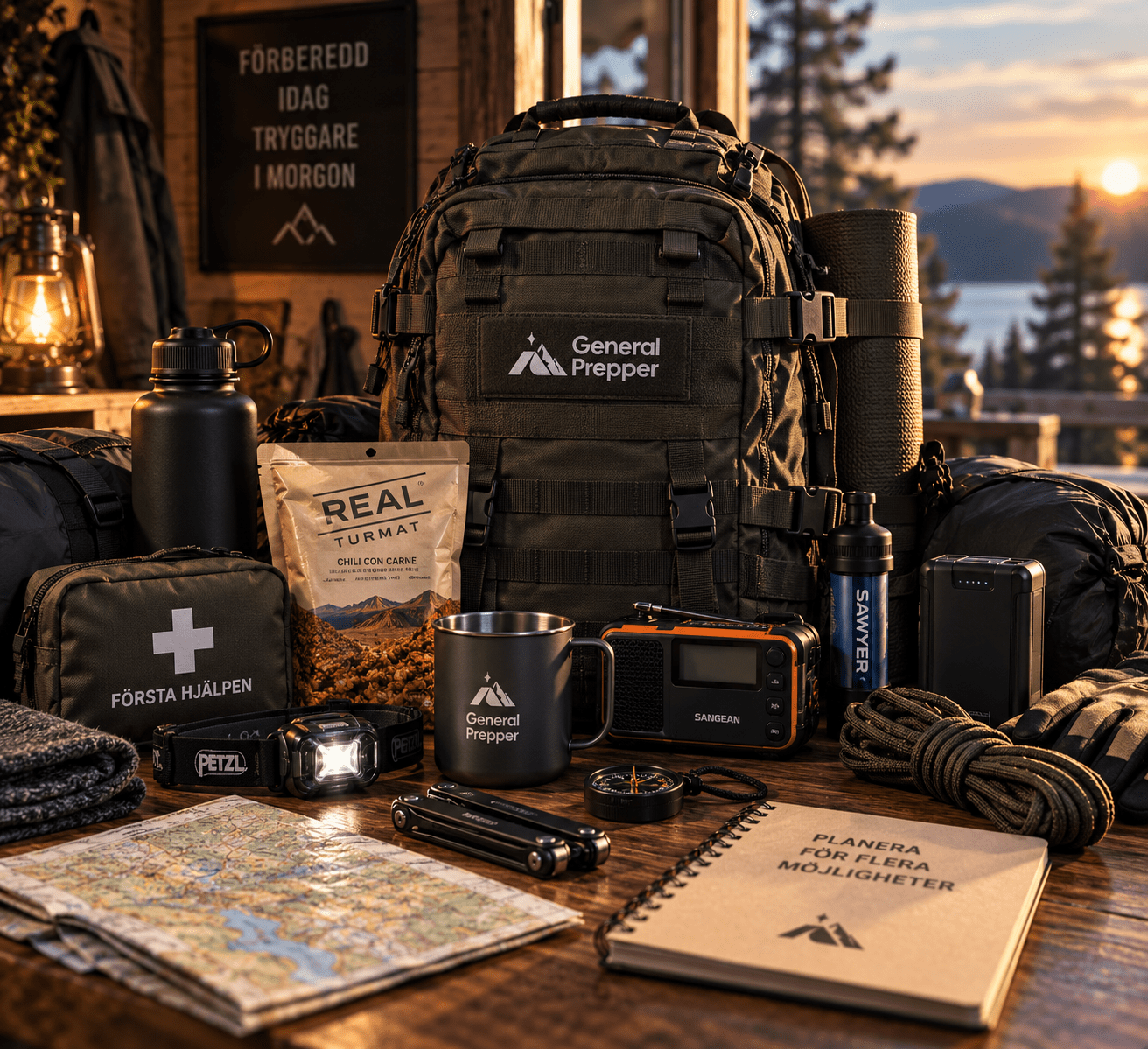
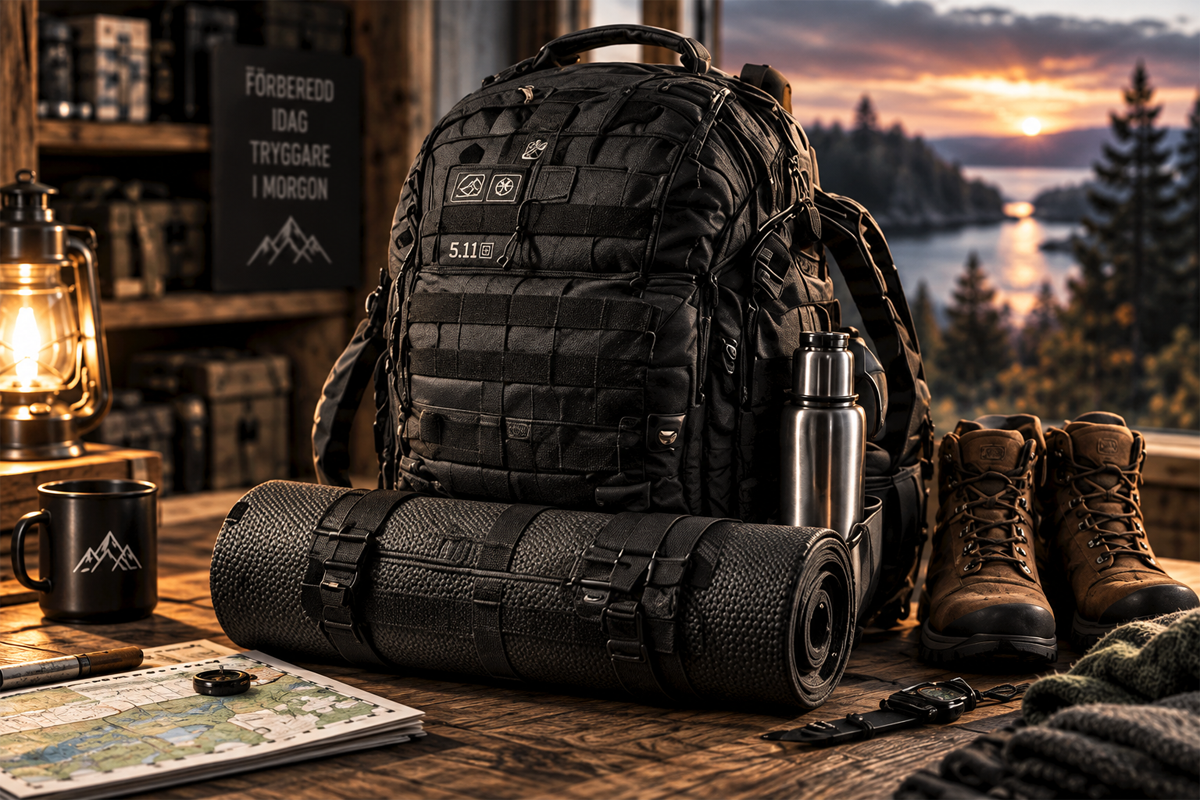
Be ready if you need to leave quickly
A prepared evacuation bag means the essentials are already packed. Adapt the contents according to who will carry it, where you are going and how long it needs to last.
Preparedness works as a system
The different parts of preparedness are interconnected.
Food that needs to be cooked requires both water and energy. A heat source needs fuel or backup power. Your phone needs charging, but you also need a way to receive information if the mobile network is disrupted. An evacuation bag needs to contain some of the same preparedness essentials that you normally keep at home.
That is why it is better to think in terms of capabilities and needs rather than simply collecting equipment.
Good preparedness is not about how many things you own. It is about which problems you can actually solve when everyday life is disrupted.
Your preparedness helps more than just you
During a serious disruption to society, authorities, municipalities, emergency services and other organisations need to prioritise people and services with the most urgent needs.
When more households can manage their own water, food, warmth and information needs during the initial period, the pressure on society's resources is reduced.
Someone who is prepared is also in a better position to help a neighbour, relative or someone else who needs support.
Being able to take care of yourself during the initial period also contributes to society's overall preparedness.
The same needs – on a larger scale
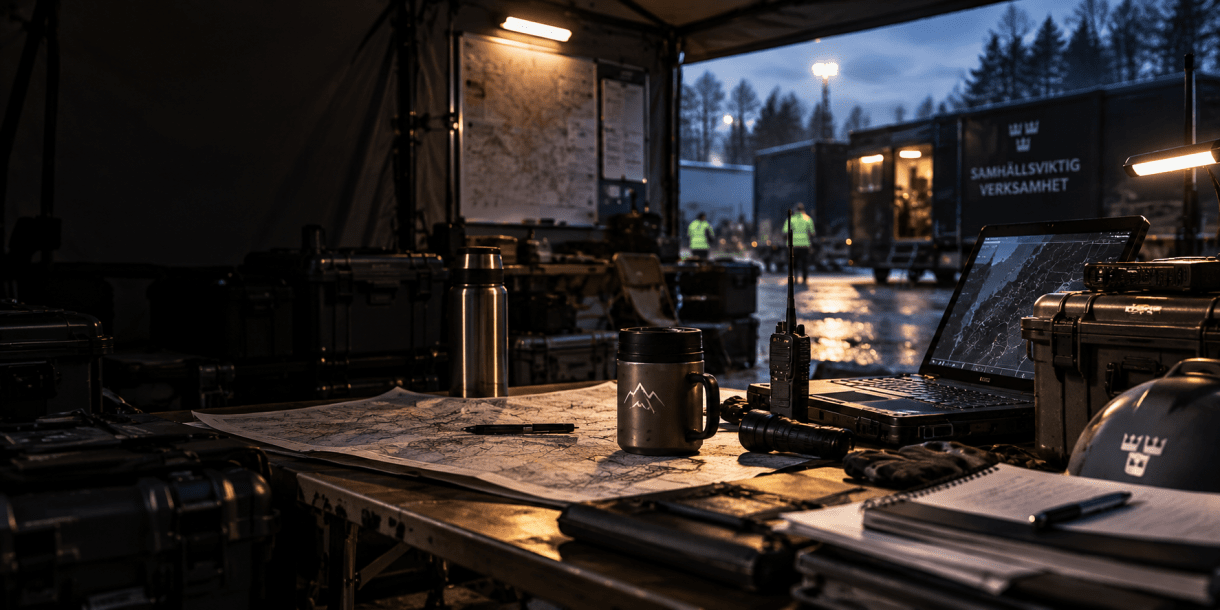
The same basic questions apply to businesses, municipalities and other organisations – but the scale and requirements change.
How many people need water and food? Which premises need to be kept warm? How will the organisation receive information if normal communication channels are disrupted? What first aid capabilities need to be available? Which functions need to continue operating during an extended disruption?
For essential services, preparedness is therefore not only about equipment. It needs to be linked to resilience, continuity, responsibility, staffing and effective backup solutions.
CONCLUSION
You cannot predict everything – but you can build the capability to cope when everyday life is disrupted.